
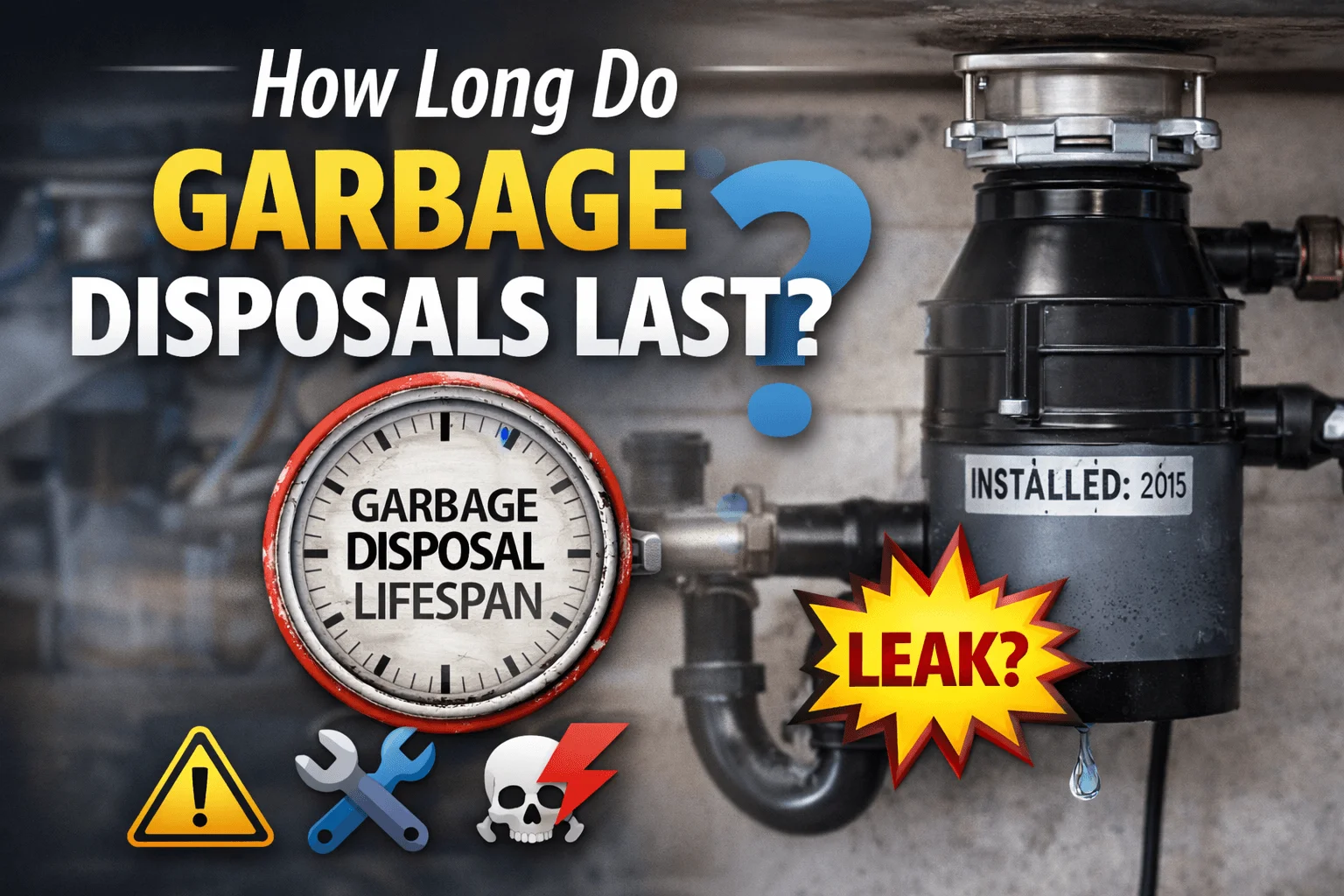
To handle your food waste, the garbage disposal in your kitchen works hard every day. Until it does not get clogs, leaks, or stop working, we do not even think about it. We notice when we suffer from the problem of its bad condition. Handling a broken disposal is a messy plumbing headache and frustrating. It’s a real mental stress. Although these machines are designed to last for many years, the maintenance of their quality depends on how you treat them.
These maintenance essentials explain the important things you need to know so that the disposal keeps working smoothly for as long as possible. It includes a simple daily care routine and easy methods to handle small problems so that these do not turn into massive damage.
Factors That Influence Longevity
The internal materials determine how well a unit resists environmental stress. Instead of having a galvanized steel, choose stainless steel. It is a wise decision. It is because stainless steel does not rust when it gets wet. Therefore, it continues to work efficiently for a long time. The combination of having a stronger motor is better for grinding food quickly and easily a stronger motor. This way, the machine would not break down as fast, and it would not have to struggle much.
Frequency of Use
The frequency of utilization of your disposal directly impacts its long-lasting functioning. The motor and blades have to work much harder if you have a large family and cook a lot. The parts can wear out quickly due to the frequent use of the machine in a day. You need to take good care of your kitchen disposal if you have a busy kitchen.
What Goes Down the Drain
Your disposal is not a universal trash can, and feeding it “forbidden” items can lead to premature failure. Fats and grease solidify to clog the internal chambers, while fibrous vegetables and coffee grounds can tangle or dull the grinding components. These materials force the motor to work harder, eventually leading to overheating or a complete mechanical breakdown of the blades.
Water Chemistry
The health condition of the water in your region is an essential factor. It affects how long your disposal lasts. Water has a lot of minerals, such as calcium, in some areas, and this is called hard water. With the passage of time, these minerals build up inside the machine. So the parts can rust or get stuck, and because of this, disposal work poorly and break down sooner than it should.
Red Flags: Signs Your Disposal is Failing
Frequent Resets
If you find yourself constantly reaching under the sink to press the small red reset button, your motor is likely overheating or struggling with basic tasks. This safety feature trips when the unit draws too much power to compensate for a failing engine. If resets become a daily ritual rather than a rare occurrence, it is a clear sign that the internal electrical components are nearing the end.
Persistent Odors
A clean kitchen shouldn’t be haunted by the smell of rotting food. Food bits are likely stuck in deep cracks that you can not reach if the use of lemon or baking soda does not work to get rid of bad smells anymore. With the passage of time, the inside of the machine can get pitted or damaged. This gives the place for the bacteria to grow and hide. In this situation, simple methods of cleaning would not work because the inside of the machine has actually started to break down.
Strange Noises
While disposals are never silent, unusual clunking or high-pitched metal-on-metal screeching is a major warning. These sounds often persist even after you have cleared a visible jam, suggesting that the internal impellers are loose or the bearings have worn out. Once the mechanical alignment shifts, the friction increases, leading to a loud, grinding struggle that eventually results in a total motor seizure.
Leaks
Discovering a puddle in your lower cabinet is a serious red flag. While some leaks occur at the sink flange and can be resealed, water dripping directly from the bottom of the unit usually signals a failed internal seal. Because these seals are integrated into the motor housing, they are typically not repairable. A bottom-end leak is a definitive indicator that it is time for a replacement.
Poor Performance
When a once-powerful motor begins to hum loudly while taking significantly longer to process soft food scraps, the efficiency is fading. This sluggish performance often stems from dulling blades or a weakening motor capacitor. If your disposal leaves behind large chunks of waste or requires multiple cycles to clear the drain, it is no longer providing the reliable service your plumbing system requires.
How to Extend the Life of Your Disposal
The “Cold Water” Rule
Always run a steady stream of cold water before, during, and after the grinding process. Unlike hot water, which melts grease and allows it to coat your pipes, cold water keeps fats in a solid state so they can be chopped up and flushed away. Additionally, this constant flow helps dissipate heat, keeping the motor cool during heavy operation.
Proper Cleaning Hacks
Maintaining your disposal doesn’t require harsh chemicals. Dropping a few ice cubes into the chamber helps knock stubborn food debris off the internal impellers and “scours” the grinding ring. For a natural deodorizer, toss in a few citrus peels; the natural oils break down lingering grease and leave your sink smelling fresh without damaging the delicate internal components or seals.
The Power of Small Portions
Avoid the temptation to shove a large plate of scraps into the hopper all at once. Overloading the unit forces the motor to work at maximum capacity, which can lead to frequent jams or overheating. Instead, feed the waste in small, manageable portions. This slow and steady approach ensures a thorough grind and prevents unnecessary mechanical stress on the blades.
Regular Flushing
Even with proper use, small particles can settle at the bottom of the grinding chamber or in the trap. Periodically, you should plug your sink, fill it halfway with water, and then pull the stopper while running the disposal. This creates a powerful “syphon effect” that flushes out the entire system, clearing the pipes and preventing stagnant organic buildup.
Conclusion
Although garbage disposal is designed to work hard for a long time, the duration of its long working and quality depend on how you use it. By taking the initial warning indications like continuous leaks or odd sounds seriously, you can fix small issues before they turn into extensive damage. Always use cold water when it’s on, and never put fibrous scraps (like celery or corn husks) down the drain so that it can keep running for a long time. These are simple and easy methods, but they will bring benefits to keep your garbage disposal from bigger problems. So taking good care is much easier than calling a plumber for an emergency. To keep your kitchen drainage properly and your pipes clean, you need to pay close attention to the simple methods to take care of it.
Ready to Upgrade Your Kitchen’s Most Essential Appliance?
Never wait for a messy leak or for the motor to stop functioning completely. Our experts are ready for whether you need a quick repair or a brand-new, powerful replacement. Call us today for expert service to enjoy the comfort of a smooth-functioning kitchen.