
Sewer Line Repair Portland, OR
Slow drains that keep coming back. A gurgling toilet. A patch of yard that’s suddenly greener and squishier than the rest — these are the problems that send Portland homeowners looking for a sewer line repair company. A damaged sewer line rarely announces itself all at once; it usually shows up as small, recurring issues first. Local Plumber repairs damaged sewer lines throughout Portland, Oregon — from cracked pipes and root intrusion to blocked or offset sections. Not every issue needs full replacement; proper diagnosis, usually starting with a camera inspection, comes first.
Noticing signs of a sewer line problem? Local Plumber can help.
What Is Sewer Line Repair?
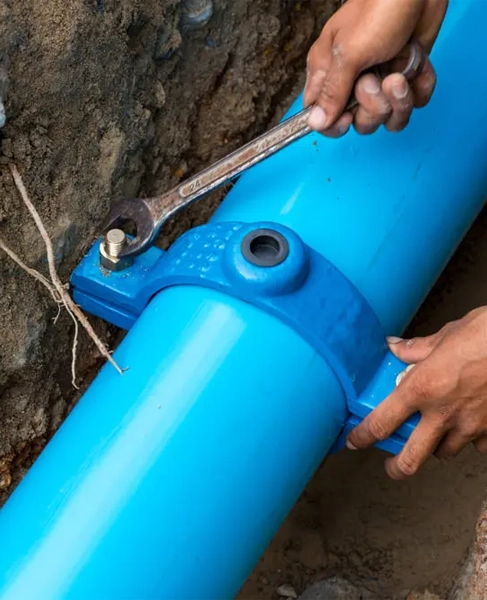
Sewer line repair means fixing a damaged section of pipe that carries wastewater to the municipal sewer main, rather than replacing the entire line — addressing cracks, small breaks, root intrusion, or offset joints.
A sewer line is the underground pipe connecting your home to the city system. It can crack, separate at joints, or collapse from age, ground movement, or root intrusion.
Repair means fixing the damaged section; replacement means removing the whole pipe when damage is too widespread. Professional diagnosis matters, since damage isn’t always visible from the surface, so the right approach depends on inspection findings.
Signs You May Need Sewer Line Repair
Sewer line problems tend to show up as recurring plumbing symptoms rather than one obvious event. If you’re noticing more than one of these, it’s worth having your sewer line checked.
None of these signs guarantee a sewer line failure on their own, but a pattern of them is a good reason to have the line inspected before the problem gets worse.
Common Sewer Line Problems We Repair in Portland
Tree Root Intrusion
Roots seek out moisture, and small cracks or loose joints give them an entry point. Once inside, they grow and expand, restricting flow and causing blockages or further damage — a common issue in older Portland neighborhoods with mature trees near the sewer lateral.
Cracked or Broken Sewer Pipes
Pipes can crack or break from ground shifting, age, freeze-thaw cycles, or pressure from soil and nearby construction. Symptoms often include slow drainage, odors, or wet spots above the damaged section.
Collapsed Sewer Lines
A collapsed section occurs when a pipe loses enough structural integrity to cave in, blocking flow almost entirely. This usually causes sudden, severe backups and typically needs more involved repair or replacement.
Corrosion and Deteriorated Pipes
Some pipe materials degrade over time due to age, soil conditions, or the original material. Deteriorated pipes can develop weak spots or interior buildup. Not every older property has this issue — it depends on the specific pipe.
Floor Drain Cleaning
Basement and garage floor drains handle water heater discharge, washer overflow, and seepage. They clog with silt, sediment, and rust flakes from cast iron. We clear them and refill the trap to stop odors.
Laundry Drain Cleaning
Standpipes overflow when lint packs the line. We cable the standpipe and trap arm, then check for proper venting.
Utility Sink Drain Cleaning
Paint, plaster, drywall mud, and grit settle in utility sink traps. These often need mechanical removal, not chemicals.
Blockages and Buildup
Occasional clogs are normal, but recurring blockages in the same area can point to a partial obstruction or structural issue rather than a one-time event.
Leaking Sewer Lines
A leaking line lets wastewater escape into the surrounding soil, leading to odors, yard damage, and sanitary concerns. Because leaks aren’t always visible above ground, they typically need a camera inspection to locate.
How We Diagnose Sewer Line Problems
Choosing a repair method before knowing the actual condition of the pipe often leads to work that doesn’t solve the underlying problem. That’s why diagnosis comes first.
Initial assessment
We discuss the issue you’re experiencing and any patterns you’ve noticed.
Review symptoms and plumbing history
Recurring backups, past repairs, and property age help narrow down likely causes.
Sewer camera inspection when appropriate
A camera run through the line shows interior condition directly, rather than guessing from surface symptoms.
Identify the location and type of damage
This pinpoints exactly where the problem is and what’s causing it.
Evaluate pipe condition
We assess the pipe overall, not just the immediate problem area.
Provide recommendations and an estimate
You’ll get a clear explanation of what we found and your options before any work begins.
Sewer Line Repair Options in Portland
There isn’t one repair method that fits every situation. The right approach depends on the pipe’s condition, location, material, and how accessible it is.
Traditional Sewer Line Repair
This involves excavating the ground above the damaged section to access and repair the pipe directly. It’s often used when damage is severe, the pipe is shallow, or trenchless methods aren’t a good fit.
Trenchless Sewer Repair
Depending on the pipe’s condition, location, and accessibility, some sewer problems can be repaired without digging a full trench along the pipe’s length.
Learn more about trenchless sewer repair
Sewer Pipe Relining
Pipe relining installs a new lining inside the existing damaged pipe, creating a “pipe within a pipe” without removing the original.
Learn more about sewer pipe relining
Pipe Bursting
Pipe bursting replaces a damaged pipe by breaking apart the old one while pulling a new pipe into place along the same path — typically considered when a pipe is too deteriorated for relining but full excavation isn’t necessary.
Spot Repair
When only a specific section is damaged, a spot repair addresses just that section rather than the entire line — often more efficient when the rest of the pipe is in good condition.
Other Plumbing Services
Sewer Line Repair vs. Replacement: Which Do You Need?
The right choice between repair and replacement depends on what a camera inspection actually shows, not guesswork. Here’s a general comparison:
| Factor | Repair | Replacement |
| Pipe condition | Localized damage in an otherwise sound pipe | Widespread deterioration or failure |
| Extent of damage | One section or a few isolated spots | Damage along most or all of the pipe |
| Structural integrity | Remaining sections are structurally sound | Pipe material has broken down significantly |
| Affected section | Short, defined portion of the line | Long stretches or the entire line |
| Excavation | Often limited to a smaller area (or none, with trenchless methods) | Can involve more extensive excavation depending on the method |
| Project scope | Typically a faster, more contained project | Larger project, more planning involved |
| Long-term considerations | Effective when the rest of the pipe is in good shape | Addresses the pipe as a whole for long-term reliability |
The right choice comes down to what the inspection findings show for your specific pipe. Sometimes repair is a practical, lasting solution; other times, the pipe’s overall condition makes replacement the more sensible option. Learn more about sewer line replacement in Portland
Residential Sewer Line Repair in Portland
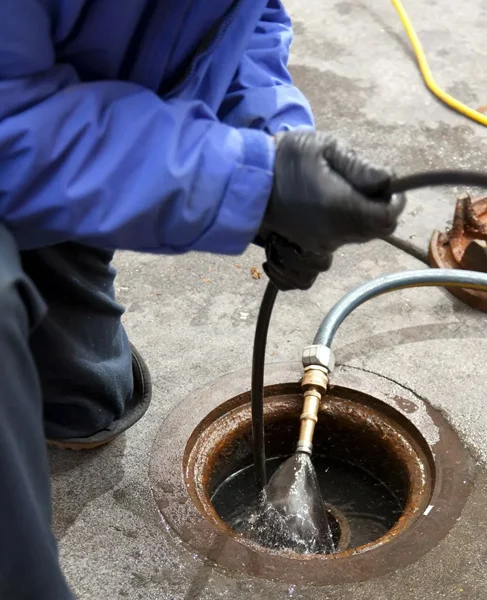
Homeowners across Portland deal with sewer line issues for different reasons — recurring backups in an older home, root intrusion from a mature tree near the lateral, or a pipe that’s simply reached the end of its usable life. Single-family homes typically have one sewer lateral connecting the house to the city main, so a problem anywhere along that line can affect the entire home’s drainage.
Older plumbing systems are more likely to show wear at pipe joints, while yard layout and landscaping affect how a repair is approached, especially if the line runs under a driveway, patio, or garden bed. As with any sewer issue, the repair-versus-replacement decision should be based on what an inspection reveals, not assumptions based on the home’s age alone.
Commercial Sewer Line Repair in Portland
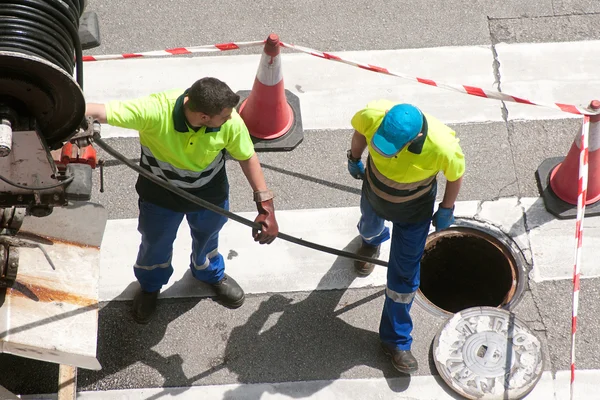
Commercial properties — apartment buildings, restaurants, retail spaces, office buildings, and multi-family properties — often have larger or more complex sewer systems than single-family homes, with more fixtures and higher daily usage. A sewer backup can disrupt operations, affect tenants, or create sanitary issues that need quick resolution.
Scheduling and access are bigger considerations for commercial repairs, since work often needs to happen with minimal disruption to a business or its tenants. Depending on the property’s layout and damage, trenchless options may help limit disruption to parking areas, landscaping, or building access.
Commercial sewer line repair
Emergency Sewer Line Repair in Portland
Some sewer problems can wait for a scheduled appointment. Others need attention right away, including:
If wastewater is backing up into your home, avoid using drains or toilets connected to the affected line, and keep the area clear if standing water is present. If Local Plumber offers emergency service, contact us right away so we can assess the situation.

Our Sewer Line Repair Process
Step 1: Contact Local Plumber
Describe the issue you’re experiencing, whether it’s a backup, slow drains, or another symptom of a possible sewer line problem.
Step 2: Assess the Problem
We review your symptoms and plumbing history before any equipment goes into the ground.
Step 3: Inspect the Sewer Line
A camera inspection, when appropriate, shows the actual condition of the pipe and pinpoints the damage.
Step 4: Identify the Best Repair Option
Based on the findings, we go over the repair methods realistic for your pipe and situation.
Step 5: Complete the Repair
Once you’ve approved a plan, we carry out the repair using the method that fits the damage and property.
Step 6: Test the System
After the repair, we confirm the line is flowing properly before considering the job done.
Why Choose Local Plumber for Sewer Line Repair?
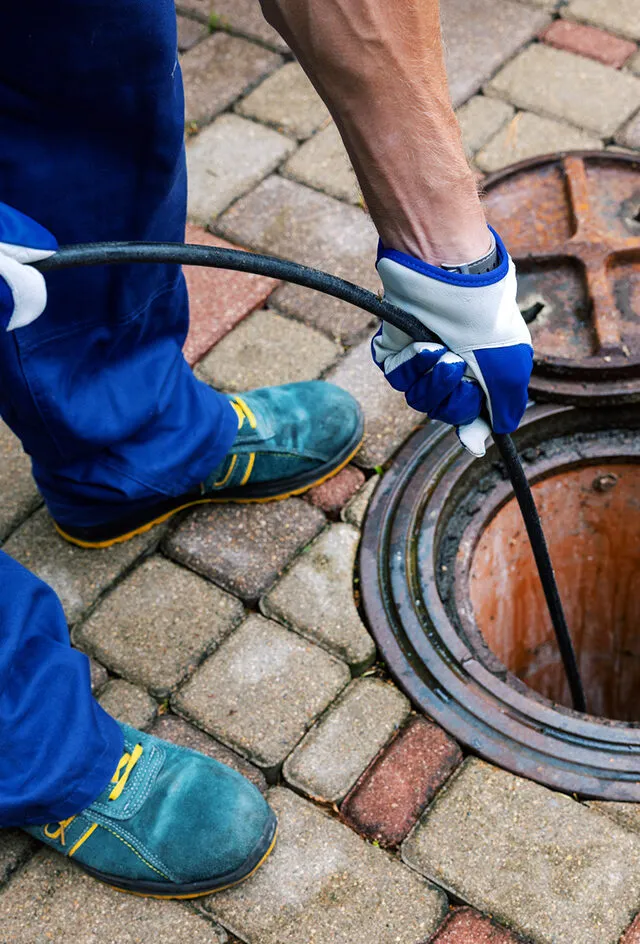
Local Plumber provides sewer line repair for homeowners and property owners throughout Portland, Oregon. Our approach centers on proper diagnosis first — including camera inspection where it helps — so recommendations are based on your pipe’s actual condition rather than assumptions.
We work on both residential and commercial sewer lines, offering repair and replacement options depending on your specific situation, with clear explanations and transparent estimates before any work begins.
Areas We Serve
Local Plumber provides sewer line repair services throughout the Portland, Oregon area, including the following neighborhoods and communities:
Sewer Line Repair Portland FAQs

Need Sewer Line Repair in Portland?
If your home or property is showing signs of a damaged sewer line, Local Plumber can help you get a clear picture of what’s going on and what your repair options are. We serve homeowners and property owners throughout Portland, Oregon.