
Trenchless Sewer Repair Portland, OR
Trenchless sewer repair in Portland gives you a way to fix a damaged pipe without digging up your whole yard. Instead of opening a long trench from your house to the street, we use one or two small access points to reach the pipe and repair it from the inside. It works for both repairs and full replacements, and it has become the first choice for Portland homeowners because it protects yards, driveways, and landscaping that traditional digging would tear up.
How Trenchless Sewer Repair Works
There are two main trenchless methods, and each one solves a different kind of problem.
Pipe Lining (CIPP)
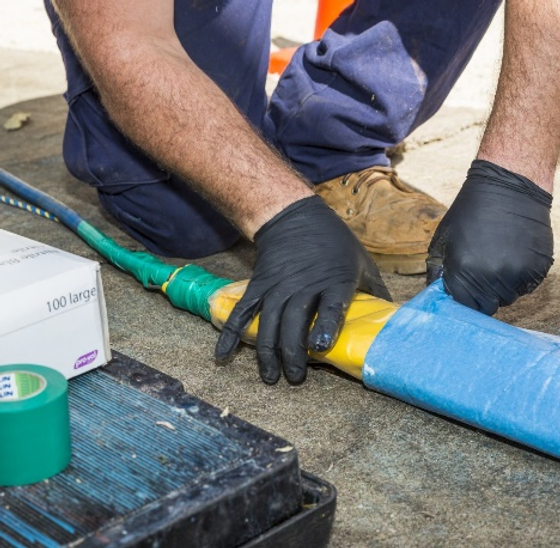
CIPP stands for cured in place pipe. We insert a flexible felt liner soaked in resin into the damaged pipe, then inflate it so it presses against the inside walls. The resin cures using hot water, steam, or UV light, depending on the setup, and hardens into a smooth new pipe inside the old one within a few hours. This method works well when the pipe is cracked or has small breaks, but the overall shape and path of the pipe are still sound.
Pipe Bursting
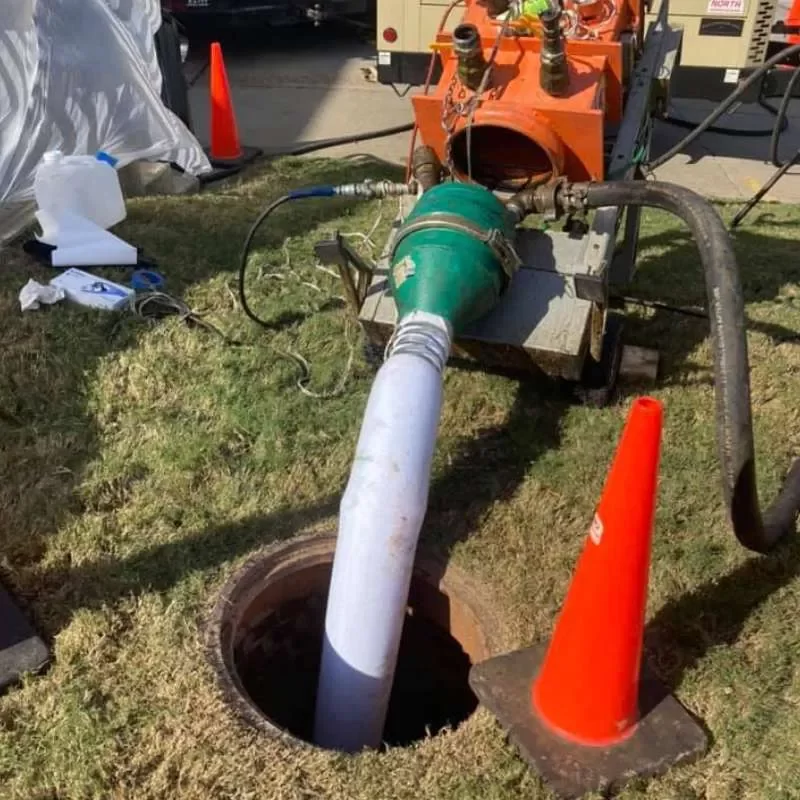
Pipe bursting works differently. A cable pulls a bursting head through the old pipe while a new pipe made of HDPE follows right behind it. The bursting head cracks the old pipe apart and pushes the broken pieces out into the surrounding soil, so the new pipe takes its place. This method is a better fit when the old pipe has collapsed sections, is badly misaligned, or is too damaged for a liner to fix. It also lets us install a larger pipe if your home needs more capacity.
How We Choose Between Lining and Bursting
The choice comes down to the condition of the pipe, not personal preference. If the pipe still follows a straight, even path and the damage is limited to cracks or small holes, lining is usually the simpler and less costly option. If the pipe has collapsed, shifted out of alignment, or is crushed in more than one spot, bursting gives you a solid new pipe instead of trying to save what is left of the old one. We make this call based on what the camera inspection shows, not a guess.
What We Look For During the Camera Inspection
Every trenchless job starts with a camera inspection, and what we see on screen decides everything that happens next.
We’re looking for:
- Cracks and small holes versus full breaks in the pipe wall
- Offsets, where one section of pipe no longer lines up with the next
- Root masses growing inside the pipe and where they’re coming from
- Bellies, which are low points where the pipe sags and holds standing water
- The pipe material, since clay, cast iron, and Orangeburg all respond differently to repair
- The exact diameter and length of pipe that needs work
This inspection also tells us whether lining or bursting fits your situation, and it gives us a clear map before we dig a single access hole.
Trenchless vs Traditional Digging
Here’s how the two approaches compare side by side:
| Trenchless | Traditional Digging | |
| Yard Damage | Minimal, one or two small holes | A full trench across the yard |
| Timeline | Usually one to two days | Often three to five days |
| Cost | Higher upfront cost | Lower material cost, higher restoration cost |
| Best For | Cracked or collapsed pipe with a clear path | Severely misaligned or shifted pipe |
Does Trenchless Work on Every Pipe Material?
Not every pipe material responds to trenchless repair the same way.
Clay pipe is usually a good candidate for lining, as long as the joints haven’t shifted too far out of place. The liner seals the cracks and smooths out the rough inside surface that roots love to grab onto.
Cast iron pipe can often be lined if the corrosion is limited to the surface. If the pipe has rusted through in multiple spots or lost too much of its original strength, bursting is usually the safer choice.
Orangeburg pipe is the trickiest. It’s made of layered fiber, and once it starts to soften or lose its round shape, a liner has nothing solid to bond to. Bursting is often the only trenchless option left once Orangeburg pipe has reached this point.
We confirm the material during the camera inspection before recommending a method, so you’re never guessing which approach fits your home.
Other Sewer Line Services
Why Trenchless Works Well for Portland Yards
Portland yards often have something worth protecting. Mature trees, established garden beds, brick pathways, and landscaping that took decades to grow are common in older neighborhoods, and digging a trench through all of that causes damage that takes years to grow back.
Trenchless methods use one or two access points instead of a long trench, so your lawn, garden beds, and hardscaping stay mostly untouched. For homes with a driveway sitting right over the sewer line, trenchless also avoids the cost and hassle of cutting through concrete or pavers. And since so many Portland lots are narrow with houses set close together, trenchless keeps the work contained to a small footprint instead of spreading equipment across a shared side yard.
Signs You’re a Good Candidate for Trenchless Repair
Trenchless repair tends to work best for homeowners who fit a few of these patterns:
- Your pipe has one main problem area rather than damage scattered across its full length
- You have landscaping, a driveway, or a patio you want to keep intact
- Your camera inspection shows the pipe is still following its original path
- You want the job finished in a day or two instead of most of a week
- You’re comfortable paying a bit more upfront to avoid restoration costs later
When Trenchless Isn’t the Right Option
Trenchless isn’t the right fit for every situation, and we’ll tell you upfront if it isn’t a good match for your pipe.
- The pipe has collapsed in several places along its length
- The pipe has shifted so far out of position that a straight liner or burst path won’t work
- Tree roots have crushed the pipe into pieces rather than just cracking it
- You want the job finished in a day or two instead of most of a week
- The pipe’s diameter needs to change to meet current code
What Does Trenchless Sewer Repair Cost?
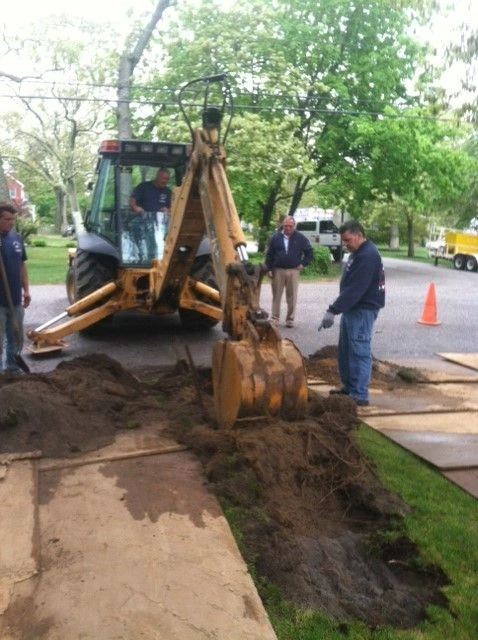
Trenchless repair usually costs more per foot than traditional digging, but it often costs less overall once you add up the price of restoring a torn up yard, driveway, or walkway. The exact cost depends on the length of the pipe, which method fits your situation, and how deep the line sits.
Our Trenchless Repair Process
Camera Inspection
We run a camera through your line to see the exact location, type, and material of the damage, the same inspection covered in detail above.
Method Selection
Based on what the camera shows, we recommend pipe lining or pipe bursting, whichever fits the damage.
Access Points
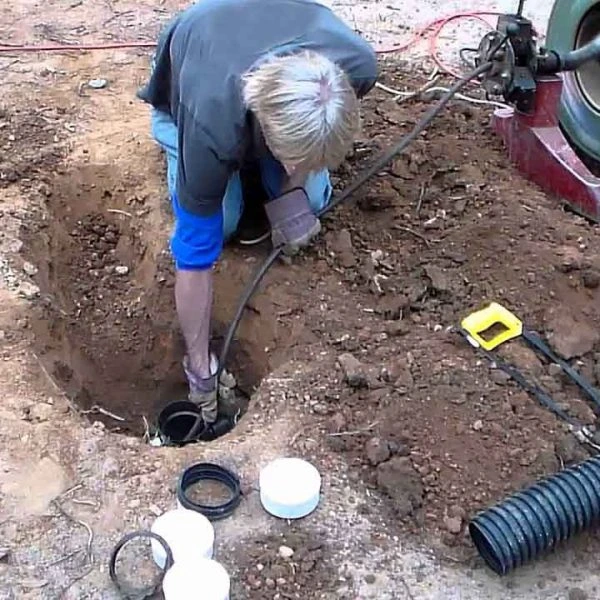
We dig one or two small access holes instead of a full trench.
Repair or Replacement
We install the liner or pull the new pipe through, depending on the method.
Final Camera Check
We run a camera through the finished line one more time to confirm it’s clear and flowing properly.
Areas We Serve
We provide trenchless sewer repair for homeowners across the Portland metro. Here are some of the neighborhoods and cities we work in regularly:
Don’t see your neighborhood listed? Give us a call, we likely still cover your area.
Frequently Asked Questions