
Sewer Line Replacement in Portland, OR
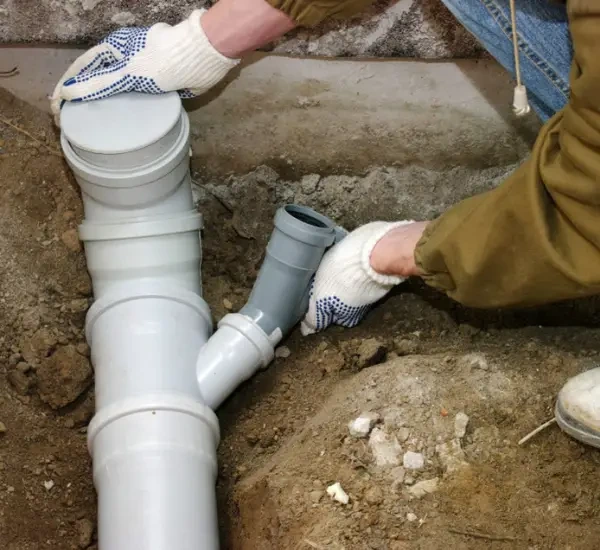
When your sewer line has failed beyond repair, replacing it is the only way to protect your home for good. Sewer line replacement means removing the old pipe that carries wastewater from your house to the city sewer main, and putting in a new one. It costs more than a repair, but when the old pipe keeps breaking down, replacement often saves you money and stress in the long run. We handle full sewer line replacement for homeowners across Portland, OR, using methods that limit digging and protect your yard.
Signs You Need Full Replacement, Not Just a Repair
Not every damaged sewer line needs to be replaced. Sometimes one crack or one blocked section can be fixed on its own. But a few signs mean repair won’t hold for long, and a full replacement is the smarter choice.
Watch for these:
- The pipe has broken in more than one spot along its length
- A section of pipe has collapsed
- The pipe sags in the middle and holds waste instead of draining it away (plumbers call this a belly)
- The pipe material itself is old and failing everywhere, not just in one place
- You’ve paid for the same repair two or three times already
If you’re seeing more than one of these, replacement usually costs less over time than repeating repairs on a pipe that keeps failing.
Why Portland Homeowners Deal With This More Often
Sewer line replacement comes up more often for Portland homeowners than people expect, and there’s a real reason why.
Older pipe materials
If your home was built before 1960, there’s a good chance the original sewer line is made of clay or Orangeburg pipe. Orangeburg was a cheap fiber pipe used heavily from the 1940s through the early 1970s, and it wears out fast. Clay pipe lasts longer, but the joints between sections crack with age. Both materials are now reaching the end of what they can handle.
Mature trees
Portland’s tall trees, especially Douglas fir and maple, send roots wherever they can find moisture. Cracked or jointed pipe underground is an easy target. Roots grow inside the pipe until they block it completely or crush it from outside.
Hills and clay soil
Much of Portland sits on hilly ground with soil that holds a lot of clay. That soil shifts and settles more than sandy or rocky ground, and it puts extra pressure on buried pipes over time.
Historic neighborhoods
Homes in older parts of Portland, like the inner eastside, often still have their original sewer line from when the house was built. Decades of wear catch up with these pipes eventually, no matter how well the house itself has been kept up.
None of this means your pipe is doomed. It just means Portland homes run into replacement more often than newer builds in other parts of the country, and it’s worth knowing why before a backup catches you by surprise.
Comparing Pipe Materials
The material of your new pipe affects how long it lasts. Here’s how the most common options compare:
| Pipe Material | Typical Lifespan | Common Problem |
| Clay | About 50 years | Cracks at the joints, root intrusion |
| Cast Iron | 50 to 75 years | Rusts from the inside out |
| Orangeburg | 25 to 40 years | Loses its shape and collapses under pressure |
| PVC | 100 years or more | Very few problems when installed correctly |
If you’re not sure where your property line sits or who owns a section of pipe, we can help you figure that out before any work starts. When in doubt, it’s worth checking with the City directly too.
Replacement Methods
There are two main ways to replace a sewer line, and the right one depends on the condition of your yard and your pipe.
Trenchless replacement uses one or two small access holes instead of digging up the whole yard. We either pull a new pipe through the old one (pipe bursting) or line the inside of the old pipe with a new one (pipe lining). Most of your landscaping, driveway, and walkways stay untouched.
Traditional excavation means digging a trench along the full length of the pipe. It costs less upfront, but it disturbs more of your yard and takes longer to finish. This method makes sense when the pipe has failed in too many places for trenchless methods to work, or when the pipe’s location makes trenchless access difficult.
We’ll walk your property, check the pipe with a camera, and tell you honestly which method fits your situation and your budget.
How Long Does Sewer Line Replacement Take?
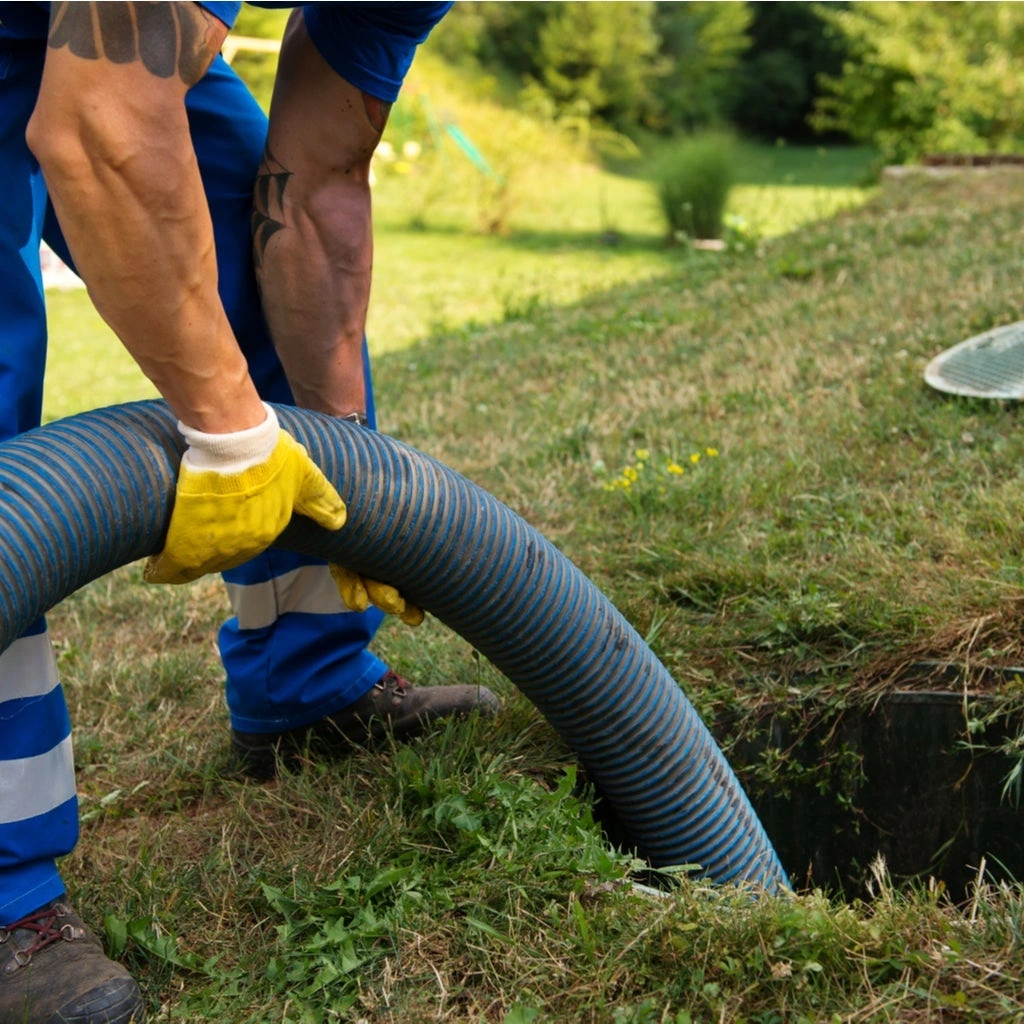
A trenchless replacement usually takes one to two days. Traditional excavation takes longer, often three to five days, depending on the length of the pipe and how deep it’s buried. Weather and permit timing in Portland can add a few extra days, especially during the rainy season. We’ll give you a realistic timeline before we start, not just a rough guess.
What Does Sewer Line Replacement Cost?
Cost depends on the length of the pipe, how deep it sits, which method we use, and whether the work happens under a driveway or through open yard. Trenchless methods usually cost more upfront but save money on landscaping repair. Traditional excavation often costs less for materials and labor but adds the cost of restoring your yard afterward.
Because every property is different, we don’t like guessing at a number that won’t match your situation. We give homeowners a free estimate based on an actual camera inspection of their pipe.
Other Sewer Line Services
Our Sewer Line Replacement Process
Step 1: Camera Inspection
We run a camera through your existing line to see exactly where it’s damaged and how bad the problem is.
Step 2: Method and Material Selection
Based on what we find, we recommend trenchless or traditional replacement, and the pipe material that fits your home.
Step 3: Permits
We handle the plumbing permit, and the right of way permit if any part of the work falls between your house and the curb.
Step 4: Replacement
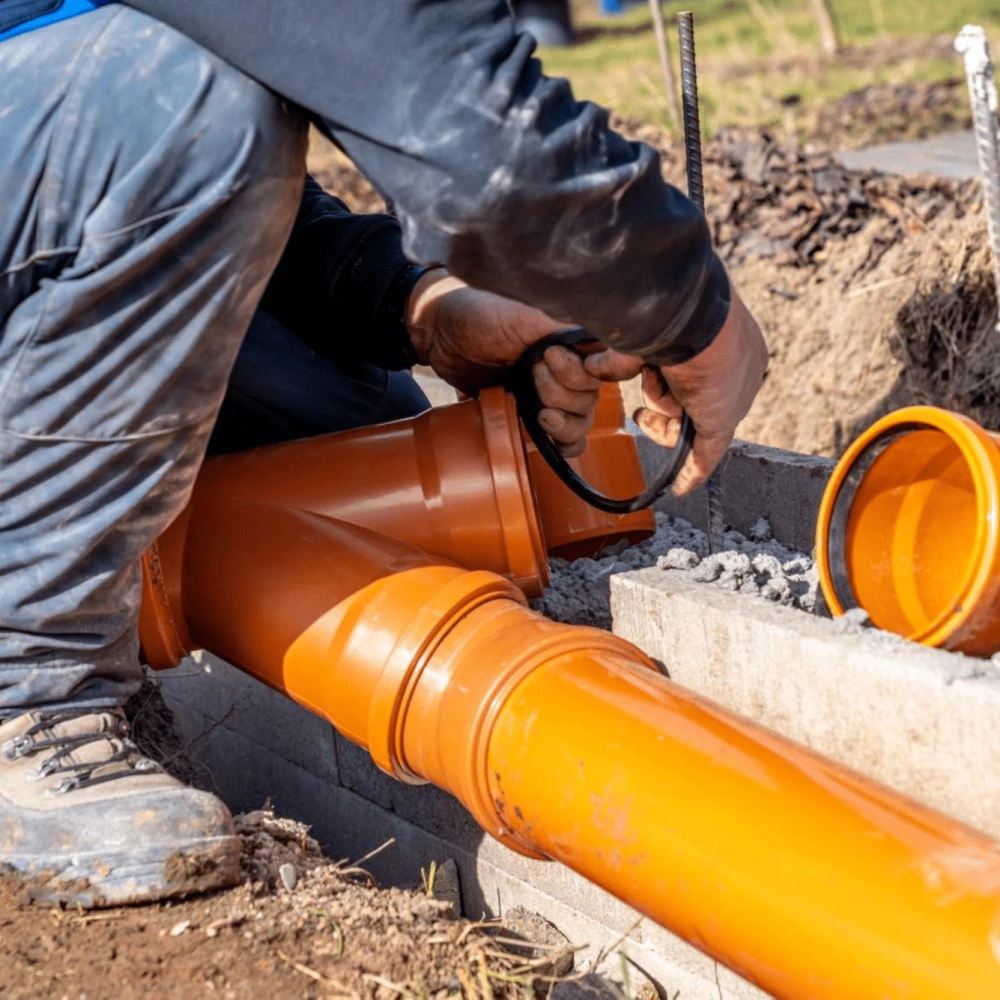
We remove or bypass the old pipe and install the new line, using the method that causes the least disruption to your property.
Step 5: Final Inspection
We run a camera through the new line and test the flow before we consider the job done.
Areas We Serve
We install and replace sewer lines for homeowners across the Portland metro. Here are some of the neighborhoods and cities we work in regularly:
Don’t see your neighborhood listed? Give us a call, we likely still cover your area.
Frequently Asked Questions