
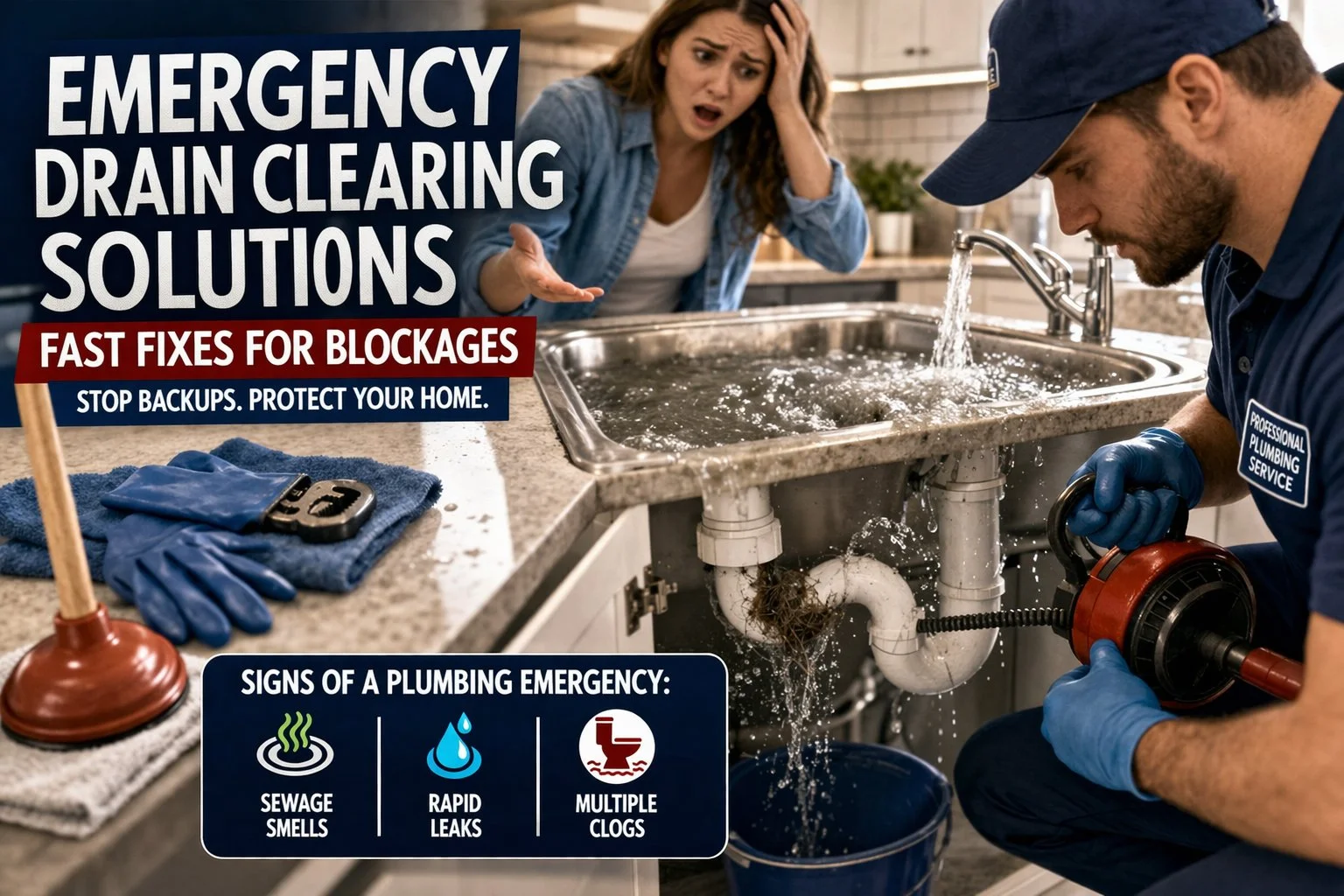
It starts with a slow swirl, then a gurgle, and suddenly, stagnant, gray water is staring back at you. That rising tide in your sink isn’t just a nuisance; it’s an instant trigger for homeowner anxiety that can quickly spiral into a domestic crisis. Fast action is vital because water is heavy and invasive, capable of seeping into floorboards and cabinetry within minutes, while standing water simultaneously becomes a breeding ground for bacteria and mold.
Furthermore, a simple clog can lead to a pipe burst if pressure builds up, turning a minor fix into a massive repair bill. Whether it’s a kitchen grease trap or a hair-filled shower, seeking out emergency drain-clearing solutions for blockages the moment you notice a backup is the only way to protect your home and your sanity before a puddle becomes a flood.
Signs of a Plumbing Emergency
Persistent Sewage Backflow Odors
If the unmistakable scent of raw sewage wafts through your home, it indicates a severe breach in your waste lines. This isn’t just unpleasant; it’s a significant health hazard that suggests a collapsed pipe or a major mainline obstruction requiring immediate professional intervention.
Rapid Unexplained Water Leaks
Visible puddles or damp spots on walls signify a pressurized pipe has failed behind the scenes. Because water travels the path of least resistance, a small spot often hides massive internal saturation, leading to rapid mold growth and compromised structural wooden beams.
Immediate Steps to Take
Stop the Water Flow: How to prevent an overflow
To cut the supply, immediately turn the valve behind the fixture in a clockwise direction. You need to shut off the main valve for the entire house if the leak is still happening. This will stop all water movement.
Identify the Location
In this inspection, we are trying to figure out whether it is one sink or the whole house? Checking the working of other sinks and tubs is important. In the case of a simple clog in a pipe, only that sink is stuck. The main sewer line is blocked if you are having trouble with backed-up from multiple drains in different rooms. You need to call the professional plumber for this.
Gather Your Tools
Prepare a basic response kit containing a high-quality plunger, a bucket to catch drips, and a pair of heavy-duty rubber gloves. Having a hand-cranked drain snake and a few old towels nearby will help you manage the mess effectively.
Emergency Clearing Methods
The Power of the Plunger
For sinks, use a flat-bottom plunger to create a tight seal. For toilets, use a flange plunger to push water through the trap, using firm, steady strokes to break up clogs.
Natural Breakdown
Baking soda and vinegar can work effectively for organic clogs. Pour half a cup of baking soda followed by a cup of vinegar, down the drain. Let the fizzing reaction sit for fifteen minutes to dissolve hair and soap scum naturally.
The Boiling Water Flush
To have a simple fix for grease-based blockages. Slowly pour a kettle of boiling water directly into the drain in two or three stages. This high temperature melts away hardened grease and fats, allowing the pipe to flow freely.
Advanced Home Solutions
The Wet/Dry Vacuum Trick
It is suctioning out the blockage safely. Set your vacuum to liquid mode and create a tight seal over the drain with a wet rag. The powerful suction can often pull out solid objects or hairballs that a plunger cannot.
Hand Snakes and Augers
You need to reach deeper into the pipe without damage. To reach the deep blocks that are far past the sink, you need to push a long, bendy wire into the drain until it hits something solid. At this point, turn the handle to break the clog apart.
When to Call a Professional
Multiple Clogged Drains
The main indication of a sewer line issue is when sinks, tubs, and toilets are backing up simultaneously; the problem likely lies deep within your main sewer line. This requires professional motorized augers or hydro-jetting equipment to clear the heavy-duty obstruction safely and restore your home’s entire system.
Unpleasant Smells
Identification of sewage backups early is very important. You are having the trouble of bad gases leaking into your rooms if you are facing a disturbing smell like rotten eggs or sewage from your home. There must be a broken pipe or a dry drain. To handle this issue, you need to call a professional plumber so that your family stays healthy and your property remains secure.
Preventing Future Blockages
Simple Habits
Avoid letting coffee grounds, grease, or fibrous vegetable scraps enter your sink. These materials act like glue, catching other debris and forming thick clogs. To make sure the proper functioning of your pipe, you have to dispose of these in the trash.
Weekly Maintenance
Every week, pour a large pot of hot water down each drain followed by a quick rinse of cold water. This simple habit helps melt away soap film and minor grease buildup before they have a chance to solidify.
Conclusion
Dealing with a sudden plumbing crisis can be overwhelming, but having a clear plan makes all the difference. This comprehensive guide to emergency drain clearing solutions for blockages walks you through every stage of a backup, from the initial panic of a rising water line to advanced removal techniques. You will learn how to identify critical warning signs like sewage odors, take immediate action to stop water flow, and utilize household tools like plungers or natural mixtures to restore order. By following these professional steps and preventative habits, you can protect your property and keep your pipes flowing smoothly.
Need Expert Help for Your Stubborn Clogged Drain?
Don’t let a minor backup turn into a costly home disaster. Our team provides fast and reliable assistance to restore your plumbing. Contact us today for professional emergency drain clearing solutions for blockages that keep your pipes flowing perfectly.